Anúncios
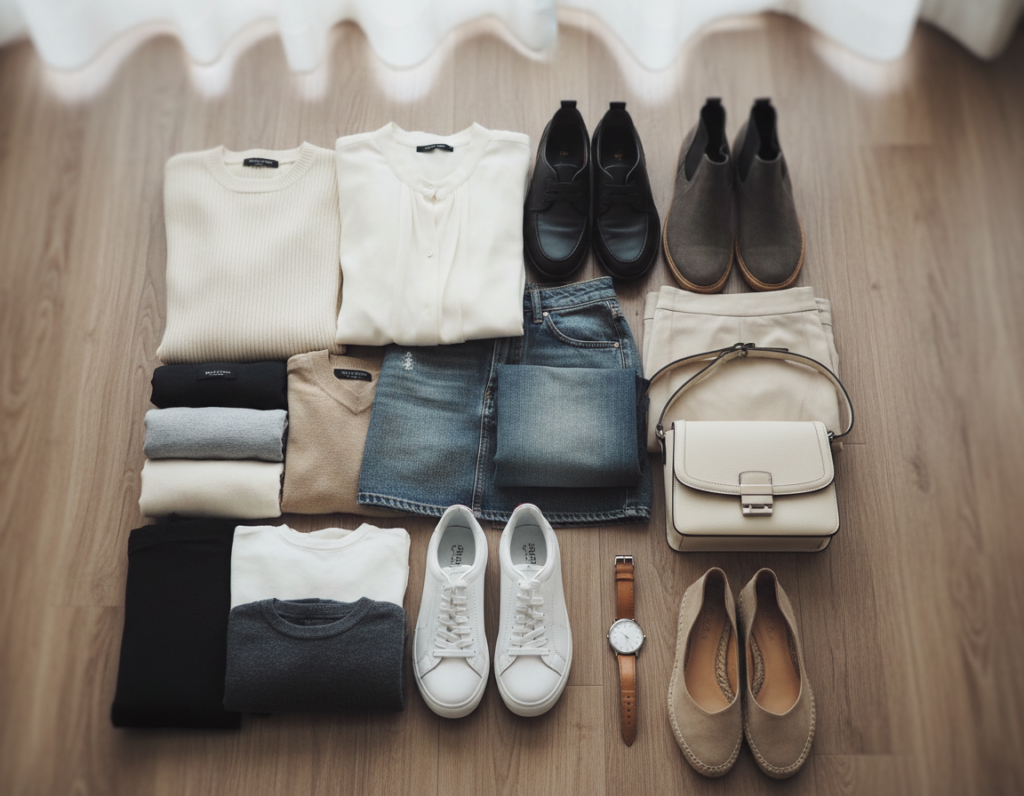
Can a smaller closet actually make getting dressed more freeing and creative? This guide answers that by turning a simple idea into everyday practice for women who want a polished look without endless buying.
In practical terms, minimalist outfit construction means building repeatable combinations from a small, cohesive set of clothes that work together in real life. The capsule idea traces to Susie Faux in the 1970s and gained fame with Donna Karan’s “Seven Easy Pieces.”
This US-focused how-to prioritizes ease, versatility, and a polished aesthetic. It will walk through a closet audit, building a capsule, choosing easy-care fabrics, anchoring looks with core pieces like trench coats and loafers, and finishing with shoes and accessories.
Expect less clutter and more confidence: fewer morning decisions, a more consistent personal style, and recommendations tied to real brands and categories. For a deeper dive on wardrobe curation and sustainable choices, see a practical capsule guide on building a thoughtful closet.
What Minimalist Outfit Construction Looks Like Today
Today’s streamlined wardrobes favor calm, repeatable combinations that work across work, weekends, and events. These looks are elegantly unfussy—small changes in shoes or a layered piece turn day looks into evening ones.
Anúncios
Why fewer, better clothes saves time and reduces decision fatigue
Owning fewer, higher-quality items cuts the time spent choosing every morning. A curated set of staples means less second-guessing and fewer “I have nothing to wear” moments.
How a minimalist wardrobe supports sustainability and long-term style
Buying fewer clothes of better quality reduces textile waste and raises wear-per-item over years. This approach shifts spending from volume to value and makes each piece last.
Why repeating outfits can be a style advantage, not a compromise
Repeating favorite looks becomes a personal signature. Using simple outfit formulas makes dressing faster and more intentional, freeing mental space for other parts of life.
Anúncios
Practical note: a realistic change starts with what someone already wears, not an overnight purge of the closet. The next step is a gentle audit to build from proven favorites.
Start With a Closet Audit That Reflects Real Life
Start by examining what someone actually wears each week to reveal their true style habits. Pull the most-worn wardrobe pieces first; these show what works in day-to-day life rather than an aspirational pile.
Sort what remains into broad categories — jeans, pants, tees, tops, sweaters, dresses, coats, shoes. This makes duplicates and gaps obvious and helps to see which items earn repeat wear.
Declutter gently: remove obvious no’s — poor fit, uncomfortable, or never worn — and leave harder choices for a second pass. Selecting core pieces from the existing closet forms the first stage of a capsule wardrobe without buying anything new.
- Set simple boundaries: avoid dry-clean-only or shapes that never get worn.
- Use tailoring to rescue staples like jeans and shirts so they become go-to items.
When the audit exposes gaps, create a short shopping list instead of impulse buys. This step makes every later decision — color palette, fabrics, and outfit formulas — work in a clearer, more sustainable way.
Minimalist Outfit Construction Tips for Building a Cohesive Capsule
A small set of well-chosen pieces can create dozens of coordinated looks without stress.
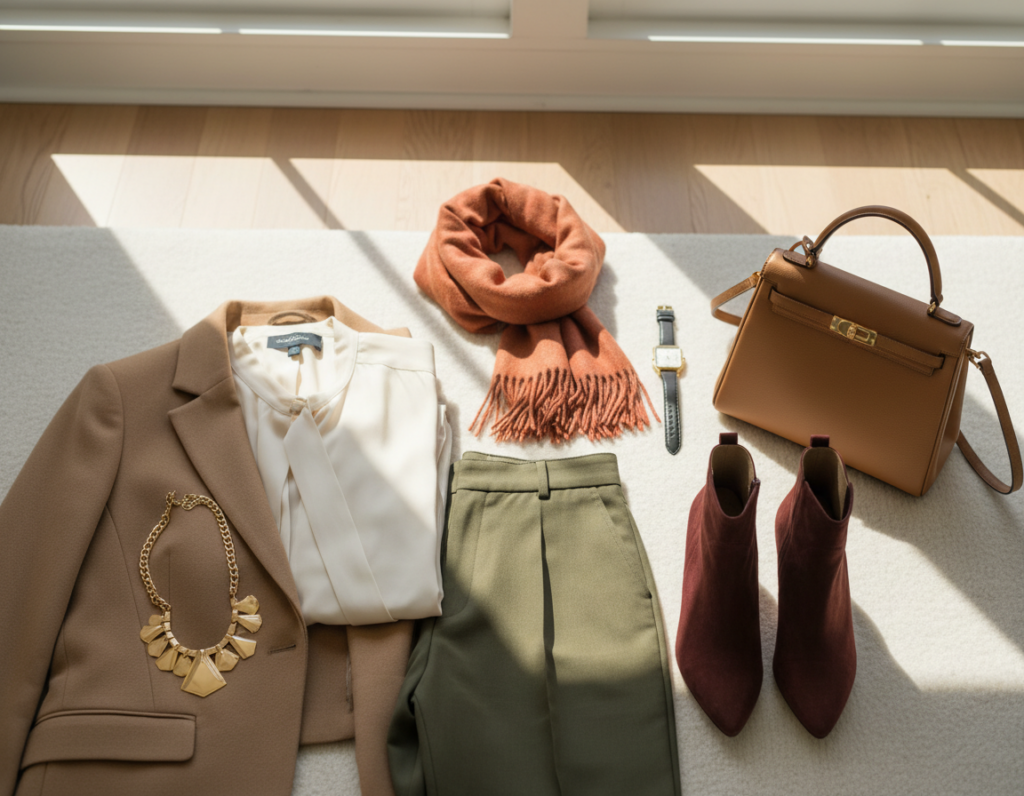
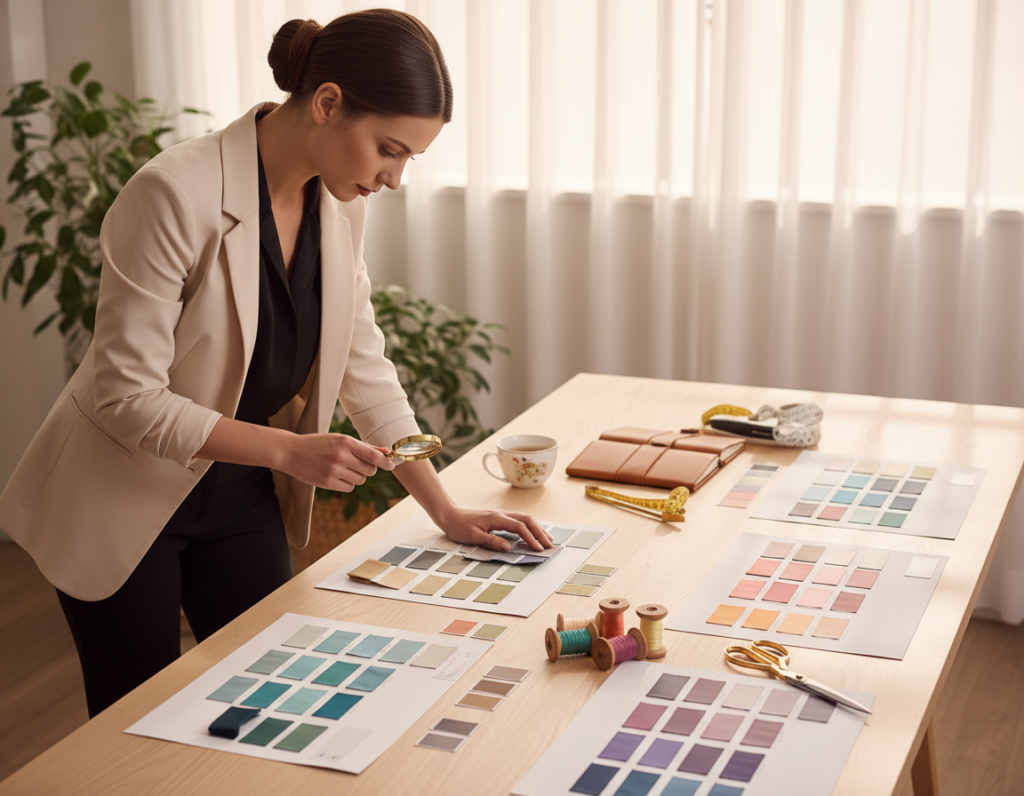
Create a mostly neutral palette — pick black, navy, gray, camel, and cream as the base. Add one or two accent colors they already wear to show personality.
Choose timeless, functional pieces
Give spots in the capsule only to items that are classic in shape, comfortable, and versatile across settings. These pieces earn repeat wear and make mixing easy.
Build for the current season and rotate
Keep in-season clothes visible and swap for summer or winter storage when the weather changes. This keeps the capsule focused and wearable.
Forget the perfect number; treat it as a draft
There is no ideal item count. Aim for enough pieces to match laundry rhythm, climate, and schedule. Track what gets worn and refine the capsule wardrobe over months.
| Goal | Example | When to Rotate | Why it Works |
|---|---|---|---|
| Cohesion | Neutral palette + 1 accent | Season change | Most items pair easily |
| Versatility | Timeless silhouettes | Every few years | Longer wear, less buying |
| Practicality | Comfort-forward basics | Season swap: summer/winter | Gets worn on repeat |
Basics form the structure while accents and a few signature pieces keep the look personal. Next, learn which fabrics and care standards make those pieces easy to wear on repeat.
Choose Fabrics and Care Standards That Make Clothes Easy to Wear
Fabric choices determine whether clothes become favorites or just take up space.
Prioritize comfort-forward fabrics they naturally reach for, like cotton and linen
Start by noting which fabrics feel best in daily life. Cotton and linen often top the list because they breathe and move with the body.
Skip high-maintenance items they will not realistically care for
If someone will not dry-clean or hand-wash regularly, those pieces should not anchor the wardrobe. High-care clothing sits unworn and adds clutter.
Make longevity part of the plan with simple care habits
Practical care beats fancy regimes. Wash less when possible, air garments between wears, and avoid the dryer to protect fibers.
- Wearability: fabrics that feel good get worn more.
- Cost-per-wear: durable, easy-care items save time and money.
- Sustainability: better fabrics reduce replacement and calm the closet.
| Fabric | Care Ease | Why It Works |
|---|---|---|
| Cotton | Machine wash, low heat | Breathable, comfortable for home and travel |
| Linen | Gentle wash, air dry | Cool in warm months, softens with wear |
| Wool blends | Spot wash / gentle cycle | Warm and durable when cared for properly |
Once fabrics and care standards are set, they can pick core pieces that anchor multiple looks without added upkeep.
Core Clothing Pieces That Anchor Minimalist Outfits
Core clothing pieces create the backbone of a capsule. They make mixing-and-matching predictable and cut morning decisions.
The quintessential coat that elevates everyday looks
The classic beige trench—think Burberry as the benchmark—acts as a fast polish layer. Many brands offer budget-friendly alternatives that achieve the same clean line and weather protection.
Chunky oversized knit sweaters for cold layering
Chunky knits (Totême or Everlane examples) add texture and warmth while staying neutral. They layer easily over shirts and tees for relaxed, repeated wear.
Dainty knit tops for refined, lightweight looks
Dainty knits (Vince-style) are the refined counterpart. They tuck into midi skirts or wear under coats for a clean silhouette.
Wear-forever foundations: tanks, tees, and button-down shirts
Tanks and quality tees should be comfortable and easy to care for. A crisp button-down shirt is the classic layering piece that keeps looks structured.
One-piece solutions: shirtdress and knit dress
The everyday shirtdress (The Frankie Shop, Lemaire) reduces decisions and works for work-to-weekend days. A cozy-chic knit dress (Bottega Veneta, Khaite references) offers another single-item strategy that dresses up with jewelry or stays casual with sneakers.
The mighty midi skirt and reliable jeans or pants
The midi skirt (The Row) transitions across occasions. Pair it with tees, knit tops, or structured shirts.
For jeans and pants, choose silhouettes they will actually wear on repeat. Comfort and fit matter more than trend-driven cuts for a capsule to function.
| Piece | Why it Anchors | Example Brands |
|---|---|---|
| Trench coat | Instant polish, weather-ready | Burberry / affordable alternatives |
| Chunky knit | Layering texture, warmth | Totême, Everlane |
| Dainty knit top | Light, refined layering | Vince |
| Shirtdress / Knit dress | One-piece ease, versatile | The Frankie Shop, Khaite |
| Midi skirt / Jeans | Transition pieces, repeat wear | The Row / dependable denim brands |
Finish the Outfit With Shoes and Accessories That Do More
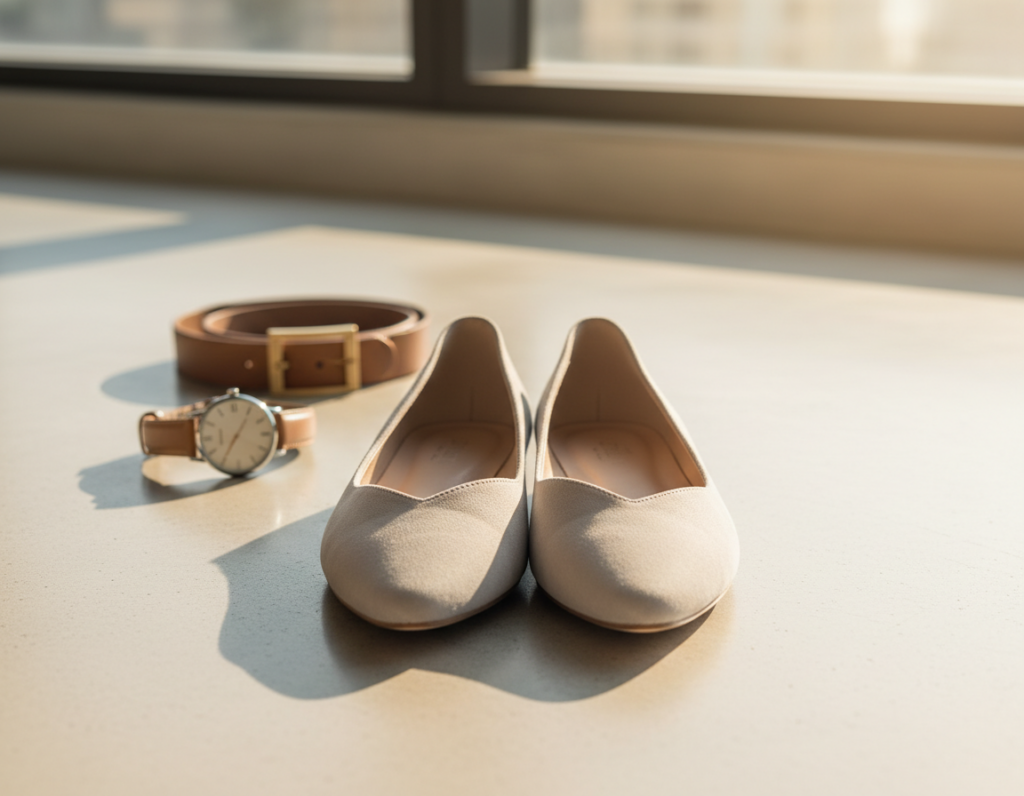
The right shoes and accessories can turn simple basics into polished, repeatable looks. Choose finishers that work across many outfits so each item earns wear instead of becoming a single-use trend.
Sleek loafers as a year-round, timeless option
Sleek loafers pair with jeans, pants, skirts, and dresses. Vogue highlights classic penny-loafer shapes; think Tod’s for a benchmark and Sam Edelman for an accessible pair.
Minimal summer shoes that still look elevated
For summer, a refined thong sandal or a square-toe slide lifts casual looks. The Row’s Ginza is an aspirational example. Favor thin straps and quality leather so the shoes read polished rather than trendy.
Wearable art: sculptural jewelry and controlled color
Sculptural, hammered-metal jewelry acts like wearable art. A few gold-toned pieces add texture and lift a neutral capsule without extra clothing. Accessories can also add a small pop of color to keep the capsule cohesive.
“Choose finishers that earn frequent wear, and dressing becomes faster and more confident.”
When footwear and accessories are consistent, outfit formulas become faster and more repeatable — and each pair of shoes or piece of jewelry truly does more.
Outfit Formulas: A Step-by-Step Way to Create More Looks With Fewer Pieces
Begin with a single standout piece and learn to spin it into several polished looks. This simple step-by-step method turns a small capsule into many reliable options and saves time each morning.
Pick a hero piece and build from there
Choose one hero piece — a trench, jeans, or a midi skirt — and create three to five outfits around it. This maximizes cost-per-wear and shows real gaps in the wardrobe.
Balance proportions and use the rule of thirds
Pair wide-leg pants with a slimmer top, or wear oversized tops with fitted bottoms. Use high-waisted pants, tucked tops, and a layered jacket to create a long, intentional silhouette.
Adjust without buying
Change the look with belts, half-tucks, layers, or a shoe swap. Small tweaks multiply options without adding pieces to the closet.
Save and repeat
Photograph winning outfits to cut decision time on a busy day. Keep a short rotation of go-to formulas for workdays, weekends, and casual plans.
Next step: use strong formulas to guide shopping and avoid random purchases — see a practical guide on how to build a capsule wardrobe at how to build a capsule wardrobe.
Shop Less, Shop Smarter, and Avoid Closet Clutter
A focused purchase routine stops impulse buys before they reach the closet.
Shop with a list. Set clear criteria — fit, fabric, and color — and read reviews before adding anything to the cart. Retailers design sites to trigger quick buys; pre-deciding what is needed saves both money and time.
Borrow or rent for one-off events
For weddings or trips, renting keeps infrequently used pieces out of the home. Borrowing achieves the same result and reduces clutter in the long run.
Choose “good enough” over perfect
Perfectionism creates a lot of stalled purchases. A well-made, wearable garment that fits life will earn more wear than an endlessly chased ideal.
Wearability checkpoint
If clothes require specialty undergarments or painful shoes, they likely stay unworn. Prioritize comfort so pieces actually get used.
“Admire trends without owning them; enjoy the look without destabilizing a capsule wardrobe.”
| Strategy | Action | Benefit |
|---|---|---|
| List & research | Set criteria, read reviews | Fewer impulse buys, smarter shopping |
| Borrow/rent | Use services for rare events | Less clutter at home |
| Wearability check | Test comfort and undergarments | More worn items, better cost-per-wear |
Review the wardrobe periodically and let real wear guide future purchases. Smart shopping is maintenance: it keeps the capsule wardrobe lean, practical, and aligned to daily life.
Conclusion
Treating a wardrobe as a working toolkit turns clothes into practical choices, not stressors.
Start with a quick audit, build a capsule wardrobe around neutral colors plus one or two accents, pick easy-care clothing, and rely on core pieces and outfit formulas to repeat what works.
This approach saves a lot of time and calms mornings, so daily style fits real life instead of adding decisions.
Rotate seasonally for summer and winter, let the first capsule be a draft, and refine over years as wear shows what earns space.
Action: today they should edit one shelf, make a short shopping list, or save three winning outfit photos to start momentum.