Anúncios
Can a few smart moves in minutes make a big difference to an outfit? Many stylists say yes. They note that thoughtful assembly beats buying new pieces. Small changes — a third layer, a swap in proportion, or a deliberate finishing touch — turn a look from fine to polished.
This piece is a practical, U.S.-friendly listicle that shows repeatable systems for workdays, errands, and casual plans. Readers will learn to shop their own closet, remix basics like tees and denim, and create go-to combinations that cut impulse buys and save time.
The guide explains what “polished” means, then builds looks with layers, smart swaps, and quick finishing moves. Expect clear outfit formulas to copy and small wins that improve how clothes read in photos and in person. The focus is daily polish, comfort, and real schedules — not buying a whole new wardrobe.
What “Elevated” Means in Everyday Outfits
A clear framework turns basic pieces into looks that feel curated and wearable. In practical terms, an elevated outfit reads intentional, cohesive, and finished while staying comfortable for real life.
Elevated vs. overdressed: the chic, comfortable middle ground
Being polished does not mean formal. One tailored piece, a structured bag, or neat hair can sit alongside casual staples.
Anúncios
This balance keeps a look approachable for a commute, a meeting, or errands without appearing overdone.
Why outfits feel unfinished and how to fix them
- Too few layers or no focal point makes a look flat.
- Mismatched metals, random proportions, or no repeated detail read accidental.
- Simple fixes: add texture, repeat a color, or tuck to define shape.
How to use these moves for U.S. weather swings and real schedules
Think modular: lightweight toppers for warm afternoons and compact warmers for cool mornings. Pieces should be easy to add or remove during a long day.
Use a quick checklist before leaving: one structure element (coat or blazer), one cohesive detail (matching hardware or color), and one finishing move (tuck or accessory). Then test the outfit in motion—walking, sitting, and carrying a bag—to ensure it works.
Anúncios
Elevated everyday styling ideas that start with a third layer
A thoughtful third layer is often the quickest way to make a casual outfit look intentional. It adds dimension, texture, and a focal point without extra pieces or fuss.
Practical third-layer options:
- Blazers and utility jackets for structure and polish.
- Vests and cardigans to adjust proportion and warmth.
- Light linen shirts or oversized linen blazers for hot climates.
How to use a sweater and trench
A lightweight sweater can be worn or draped over shoulders to add depth without bulk. A cropped trench or classic trench gives jeans-and-tee combos clean lines and purpose.
| Third Layer | Effect | When to Use |
|---|---|---|
| Structured blazer | Sharpens silhouette | Meetings, errands |
| Open linen shirt | Breathable lift | Warm mornings |
| Sweater over shoulders | Preppy depth, easy to remove | Variable temps |
| Cropped trench | Polish without bulk | Cool evenings |
Tip: Start the day wearing the layer, then restyle it—drape, tie, or carry—so the outfit stays streamlined. For more on the rule, see the third-piece rule.
Swap casual items for elevated pieces without losing comfort
Switching a single item shifts the whole vibe without losing comfort. Keep the base—tee, knit, or denim—but replace one high-casual piece to change the overall look.
Jeans to trousers: the fastest way to shift the vibe
Trousers change posture and proportion. Paired with a simple knit or tee, they make a casual outfit read more purposeful. This is the clearest way to lift a weekend set for a meeting or lunch.
Footwear swaps that stay walkable
Shoes signal intent. Replace sneakers with ballet flats, slingbacks, loafers, or a low heel to refine the look while staying comfortable.
“Smart footwear and a strong outer layer do more heavy lifting than extra accessories.”
Bags and headwear that read intentional
A structured leather bag holds shape and signals planning. Swap a floppy canvas tote for a streamlined leather satchel for instant polish.
For headwear, trade a baseball cap for a sleek headband or a neat scarf to keep the outfit clean and composed.
| Swap | Effect | When to use |
|---|---|---|
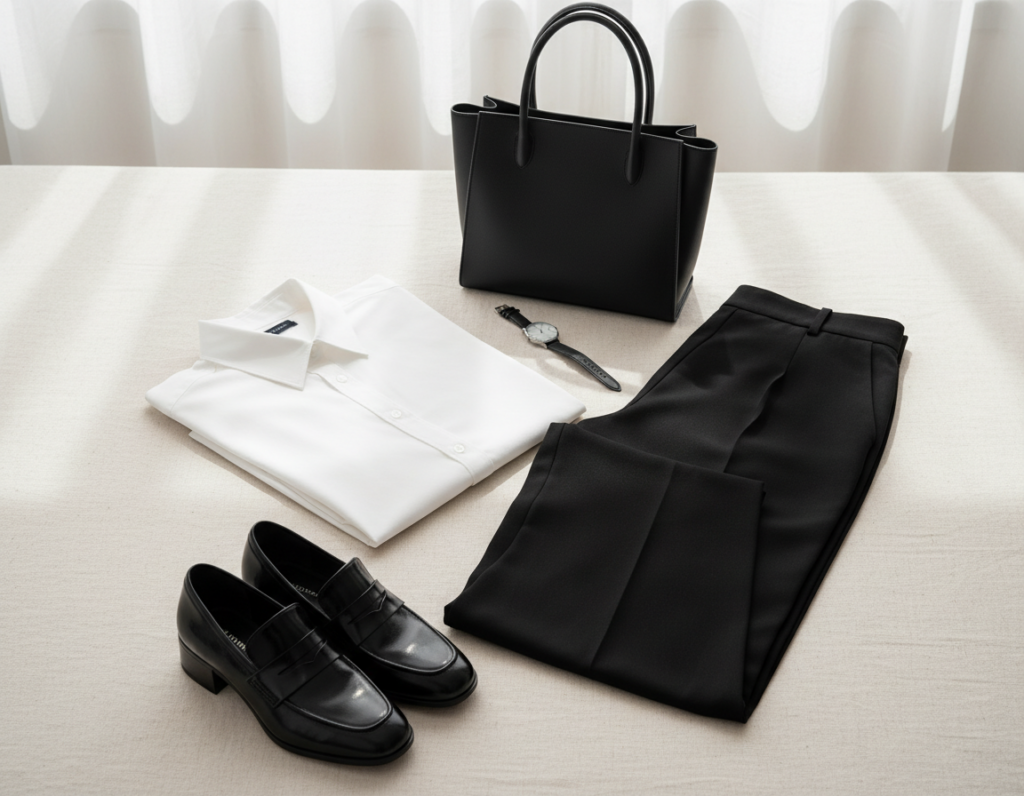
| Jeans → Tailored trousers | Sharpened silhouette | Office, lunch, presentations |
| Sneakers → Loafers / slingbacks | Sleeker foot line, walkable | Commute, errands, casual meetings |
| Canvas tote → Structured leather bag | Signals intent, neat shape | Day-to-night, city errands |
One-swap minimum: if time is tight, change shoes or bag as the single upgrade. This simple way keeps function first and makes the most visible difference.
Balance, friction, and repetition for stylist-level cohesion
Mixing one refined element with a relaxed base keeps a look modern and personal. These three moves—balance, a little friction, and repeating details—help an outfit read intentional without extra shopping.
Balancing dressy with casual
Balance means pairing one dressier piece with one casual piece. For example, a tailored jacket with denim or a neat shoe with relaxed jeans keeps a look polished but wearable.
Creating controlled friction
Friction is the smart mismatch that creates interest: sporty with tailored, feminine with edgy. Use one unexpected piece so the look feels modern without chaos.
Repeating elements for cohesion
Repeat color, metal tones, or leather to tie the outfit together. A belt buckle that echoes gold hoops or a leather strap that matches a bag makes an outfit feel planned.
- Use one dressy swap, not three.
- Let outerwear anchor the silhouette—structured on top, relaxed below.
- Quick self-check: if an outfit feels off, add one repeating element before overhauling it.
| Move | Effect | When |
|---|---|---|
| Tailored jacket + jeans | Sharp but casual | Commute, lunch |
| Sporty shoe + blazer | Modern contrast | Weekend meetings |
| Matching hardware | Instant cohesion | Any outfit |
Small styling moves that change the whole look
Micro moves—tucks, rolls, and a neat sleeve—are the most reliable shortcut to a composed look. They add shape, guide proportion, and make basics read as intentional without new pieces.
French tuck, half tuck, and clean tucks that define the waist
The French tuck anchors fabric at the front to lift the waist and elongate legs. A half tuck looks relaxed and is best with high-waist bottoms. A full tuck creates a smooth line for tailored trousers or skirts.
Rolled sleeves and pushed-up blazer sleeves for effortless structure
Rolling shirt sleeves shortens the arm line and softens a formal top. For blazers, use a hair-tie under the cuff to keep sleeves pushed up; the result feels purposeful and stays put through a busy morning.
Wrap-tuck and silhouette tweaks for denim, pants, and skirts
The wrap-tuck wraps extra fabric to one side, creating a subtle cinch without tailoring. These tweaks pair well with casual footwear like sneakers, keeping looks comfortable but polished.
- Why they matter: micro-adjustments add shape and proportion.
- Pick two moves: standardize a tuck and a sleeve roll for quick wins.
- Works with sneakers: keep function and a modern fashion feel.
Accessories that make basic outfits look expensive
The right accessories turn simple clothes into a cohesive, intentional outfit. They act as finishers that make a plain top and jeans read purposeful.
Jewelry layering that reads refined
Hoops + a necklace stack + rings + a watch is a repeatable formula. Keep necklace lengths staggered and pick one focal piece so the look stays polished, not cluttered.
Match metals and belt hardware
Matching metal tones across jewelry and belt hardware gives instant cohesion. When hardware and hoops echo each other, the outfit feels planned.
Belts as a third layer
A belt defines the waist and acts like a low-profile third layer. Tuck the top to reveal the buckle and add shape to jeans, trousers, or dresses.
Scarves, hats, and glasses as personality pieces
Use a scarf or hat for a controlled pop of color, then keep the rest neutral. One standout accessory paired with minimalist pieces prevents overload.
- Rotate two metals, two belts, and one statement scarf for easy daily wins.
- Repeat one element—hardware, leather tone, or a small color—to tie the look together.
Hair and grooming upgrades for a polished, everyday vibe
A neat hairline and a tidy updo often read as much as a tailored jacket. Small grooming moves make an outfit look intentional without changing clothes. Hair and finishing details act like a low-effort final touch that pulls a look together.
Sleek ponytail and clean updo techniques for busy days
For a quick sleek ponytail, start with a bristle brush and a fine-tooth comb. Smooth hair back, secure with a strong hair tie, and tame flyaways with a dab of gel, balm, or spray.
For a durable updo, twist hair into a low knot or roll and pin close to the nape. Focus on a tidy hairline and a purposeful shape at the back so it holds through meetings or errands.
Claw clip styles that look intentional rather than messy
Use a controlled twist, place the clip at the crown or nape, and avoid a loose, haphazard fold. A medium clip with neat sections reads polished. Re-adjust edges with a bit of product for a refined finish.
Pair these hair moves with a streamlined coat—such as a trench—to keep the whole look cohesive. She or he can pair a sleek ponytail with minimal jewelry and a structured bag for a professional feel.
| Move | Tools / Product | Quick midday fix |
|---|---|---|
| Sleek ponytail | Bristle brush, comb, hair tie, gel/spray | Re-brush and re-gel edges (30 sec) |
| Clean updo | Pins, elastics, light hairspray | Push neat at hairline, tighten knot (45 sec) |
| Intentional claw clip | Medium clip, smoothing balm | Adjust twist, smooth flyaways (20 sec) |
Why it matters: Groomed hair amplifies any outerwear choice. A trench worn with a sleek hairstyle and one focal accessory completes a ready-for-the-day look. On high-demand days these moves save time and keep the outfit working hard.
Outerwear-led outfits that do the heavy lifting
A bold coat or jacket can instantly define an outfit without changing a single base item. Outerwear frames the day. It is the most visible piece and often the first thing people notice.
Statement coat over neutral basics for a pop of color or pattern
Keep the inner layers simple—neutral tops and pants—and let one colorful or patterned coat do the talking. This method makes basic clothes look intentional with minimal effort.
Leather jacket over sweater dresses and tailored separates
A brown leather jacket gives warmth and edge while feeling fresher than black. It works equally well over a sweater dress or with tailored trousers and a knit top.
Denim jacket layering over maxi dresses for casual-cool contrast
An oversized denim jacket grounds a flowy maxi. The contrast keeps the outfit wearable for errands, weekends, or casual meetings.
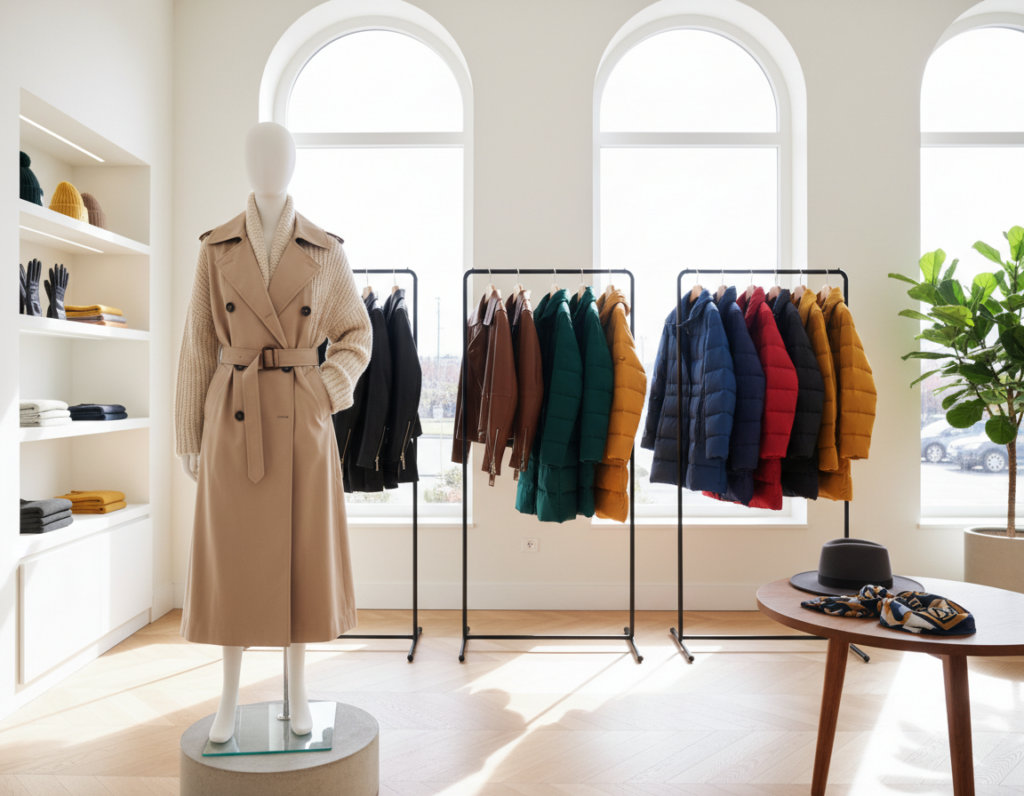
Closet-first approach: remix coats and jackets already on hand before doing any shopping. This avoids impulse buys and surfaces new combinations.
| Fit tip | Why it matters | Quick fix |
|---|---|---|
| Shoulder fit | Anchors the silhouette | Choose closest size |
| Sleeve length | Signals polish | Push or cuff to ¾ |
| Hem balance | Keeps proportion | Pair short tops with longer coats |
Pro tip: pick one outerwear hero each season to simplify dressing and reduce unnecessary shopping.
Go-to elevated outfit formulas to copy from your closet
Use a handful of repeatable formulas to turn closet staples into reliable outfits in minutes. These quick combinations work for workdays, errands, or coffee dates with one small swap.
Jeans + blouse + blazer
Dark-wash jeans with a champagne satin blouse and a tailored blazer feels intentional. Finish with pointed boots and a statement belt to add structure and shine.
Cozy knit + faux-leather leggings
A chunky knit paired with faux-leather leggings creates a high-contrast texture play. Add ankle boots and an optional camel trench for a weather-ready update.
Sporty-polished knit + joggers
A fitted knit, cleanly tapered joggers, and sleek sneakers keep lines sharp. Carry a structured crossbody to lift the look from gym-run to meeting-ready.
Sweatshirt, blazer, and accessories
Use a structured blazer over a sweatshirt, clean sneakers, sunglasses, and a ball cap used with purpose. This checklist keeps the outfit intentional rather than thrown-on.
Leggings + oversized shirt or tunic
Pair leggings with an oversized button-down or a long tunic sweater for a comfortable but put-together uniform. Swap shoes or a bag to move between casual Friday and weekend plans.
Tip: focus on fabric and finish — satin, tailored knits, and leather details—so simple bases read more refined with minimal fuss.
Monochrome and color strategies that look elevated year-round
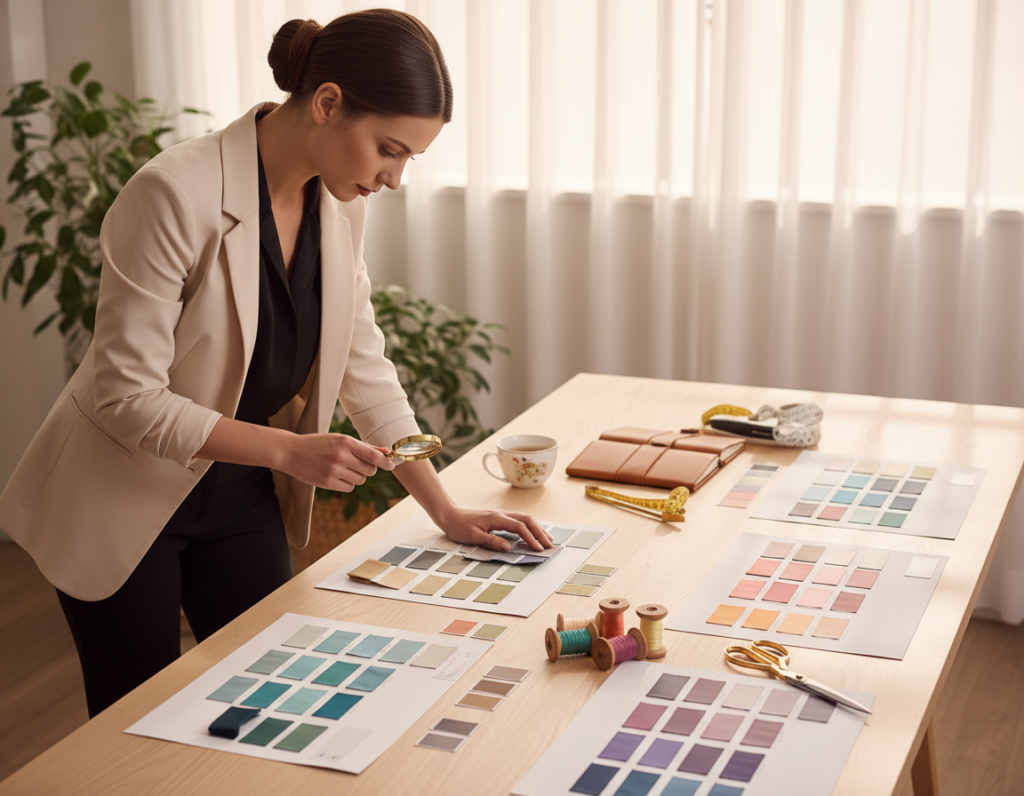
A simple color plan can make any outfit read purposeful without extra pieces.
Monochromatic sets create a long visual line. That visual continuity minimizes busy breaks and makes an outfit feel intentional.
Monochromatic sets and tonal dressing for a quiet-luxury feel
Stick to one family—cream, beige, camel—or one shade from head to toe. Vary texture so the look does not go flat: knit, leather, and a soft wool or silk layer work well together.
Richly hued layers and the “pop of color” jacket approach
When the base is neutral, a richly hued layer like a deep red or forest green jacket reads seasonal and sophisticated.
Keep the rest pared back so the jacket is the focal point. This is especially effective with jeans or tailored pants on cooler days.
Repeating color through shoes, belt, and accessories for cohesion
Repeat one color in at least two places — for example, belt + shoes or bag + outerwear trim. That echo ties casual pieces into a cohesive outfit.
- Why it works: one dominant tone + one accent = calm and refined.
- Use texture to avoid flatness in tonal looks.
- Practical example: dark denim, camel coat, rust jacket accent, and matching shoes.
| Rule | How to apply | Quick check |
|---|---|---|
| One dominant tone | Head-to-toe or top-to-bottom | Does it form a long line? |
| One accent | Jacket or accessory | Is the accent focal? |
| One repeat | Belt, shoes, or bag | Is color echoed twice? |
Quick note: a neutral base with a color jacket works with denim and with dress pants. It makes simple uniforms feel intentional without buying extra pieces.
Dress-and-skirt looks that feel chic, not fussy
Dresses and skirts can read modern and relaxed when balanced with casual layers and simple finishes. The goal is to make pieces look put together while keeping them wearable for a full day of walking, meetings, or errands.
Slip dress for day-to-night
A slip dress shifts to daytime by adding a chunky cardigan or a cropped jacket. This reduces evening-only energy and helps the outfit feel like the wearer, not a costume.
Finish with flats or low boots and a small crossbody. Add a pop color via shoes or a bag to make the look intentional without fuss.
Little black miniskirt formulas
The little black miniskirt pairs well with a blouse, a graphic tee, or a chunky sweater. A tucked blouse reads polished; a tee keeps it casual; a heavy knit creates contrast.
Keep accessories minimal so outfits feel current and not overworked.
Denim skirt and half-tuck
Denim skirts look fresh with a half-tucked sweater and modern shoes—loafers, sleek sneakers, or low block heels. The half-tuck defines proportion and makes the outfit feel put together.
Maxi dresses made for walking
To dress down a maxi, add flats or sneakers and a cropped jacket or oversized blazer. This combo keeps the silhouette grounded and lets the outfit feel like a real-day choice.
If an outfit feels too much, remove one accessory and repeat a color in shoes or belt to tie it together.
Conclusion
When time is tight, a simple routine transforms closet basics into outfits that read considered. Start with one third layer or a coat, make a single strategic swap, then finish with a repeated detail and a deliberate accessory.
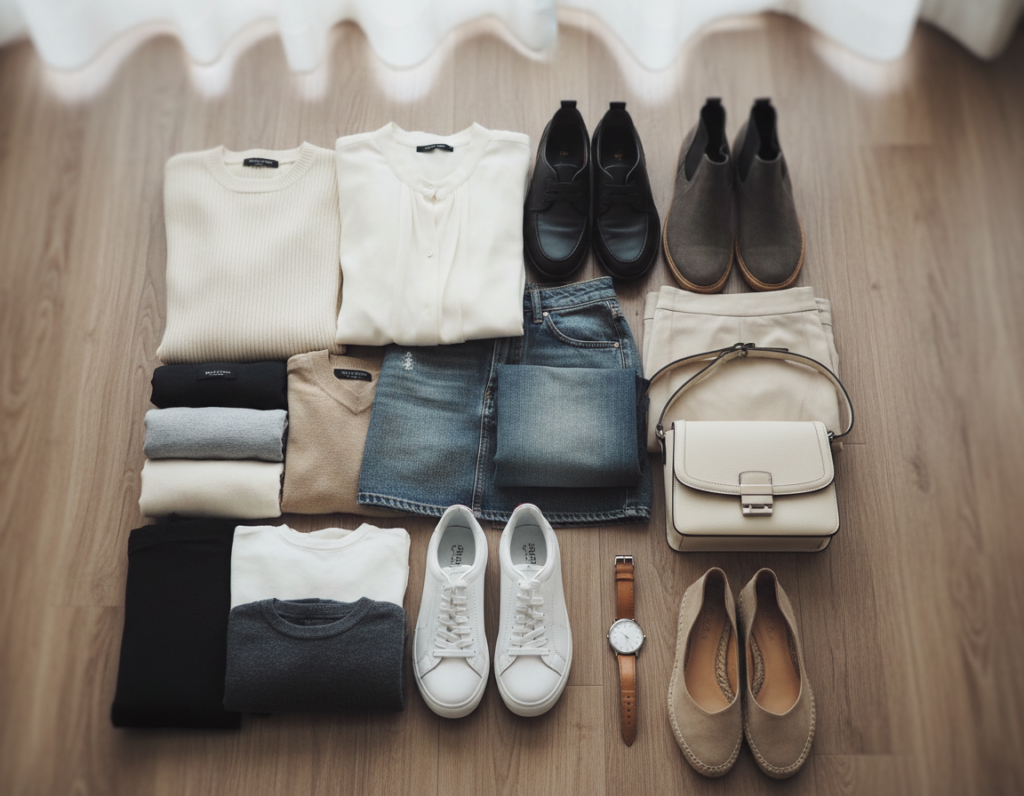
Five-minute reset: choose a blazer or coat, add a belt, layer simple jewelry, and do one tuck for shape. These small moves change the vibe without new items.
Shop your closet first, track favorite combinations, and build a mini uniform—jeans, a great blazer, a reliable dress, and consistent accessories—to cut decision time. For more on mixing relaxed pieces with polish, see the smart-casual guide.
The best rule: practice one upgrade for a week and let confidence and comfort shape the final style.