Anúncios
What if fewer clothes could make getting dressed faster and clearer? This guide shows practical capsule wardrobe styling methods that help a minimalist closet feel flexible, not limiting.
They begin with what people already wear and let the collection evolve. The goal is simple: build a functional foundation, then learn repeatable systems for easy outfits across work, weekends, and seasonal shifts.
Expect edits, color choices, and versatile pieces that mix-and-match easily. The article previews a clear process: edit the closet, choose cohesive colors, pick multipurpose items, and create outfit formulas to repeat.
Success is measured by wearability, not by a trendy item count. Readers in the United States will find advice tailored to present-day life—remote days, business casual, and active weekends—so they spend less time shopping and more time wearing what works.
What a Capsule Wardrobe Is and Why It Works Today
A focused collection of reliable pieces simplifies mornings and keeps closets tidy. In plain terms, a capsule wardrobe is a small, intentional set of versatile items that mix and match to form many outfits.
Anúncios
Why it fits modern life: Busy schedules, more casual office norms, and a push to reduce clutter make this approach useful now. People save time and make fewer shopping mistakes when core items work together.
The idea traces back to Susie Faux in London in the 1970s and grew into wider fame with Donna Karan’s “Seven Easy Pieces” in the 1980s. Those moments, a few years apart, shaped how wardrobes are planned today.
Modern thinking drops rigid set lists. Instead of a fixed item count, the best systems adapt to job, climate, and comfort. The most sustainable start is practical: build the first capsule from clothes already worn, then refine over time.
Anúncios
- Practical rule: choose useful pieces that get regular use.
- Flexible goal: a collection that supports real life, not rules.
The Real Benefits of a Capsule Wardrobe for Everyday Style
A smaller, well-chosen closet cuts morning stress and makes outfit choices obvious.
Less decision fatigue: A crowded closet forces too many choices. That leads to second-guessing and outfit changes. Editing to reliable pieces helps people get dressed faster and with more confidence.
More time in the day: Less time spent searching or trying on clothes means extra minutes for coffee, prep, or a calm commute. It also reduces repeat shopping trips, returns, and closet reorganizing.
- Lower spend over time: Planned purchases replace impulse buys, so total shopping drops.
- Higher quality, less waste: Buying better items reduces textile waste and supports sustainable fashion choices.
- Realistic change: This system doesn’t end shopping. It makes shopping deliberate and needs-based.
| Benefit | What it saves | How it helps style | Long-term result |
|---|---|---|---|
| Fewer choices | Minutes each morning | Faster get dressed routine | More daily confidence |
| Less clutter | Time on organizing | Clearer outfit options | Lower frustration |
| Intentional buying | Money on impulse shopping | Better coordinated clothes | Higher garment longevity |
| Sustainable focus | Textile waste | Favors durable pieces | Smaller environmental impact |
Before Styling, Identify Personal Style and Lifestyle Needs
Start by mapping how a typical month of days actually unfolds for the person who will wear the collection. This makes it easier to build a practical capsule that fits real life, not a wishlist.
Build for real days
They should list office days, work-from-home days, weekends, workouts, events, and climate needs. That map shows which outfits must repeat and which are occasional.
Use the “pack for a month” idea
Pack enough for normal life plus a few nicer options. Focus on repeatable outfits rather than rare scenarios. This tests whether the capsule will actually work in day-to-day life.
Notice patterns and friction
Study what they actually wear: repeat outfits, preferred silhouettes, and go-to fabrics. Do a quick audit of clothes avoided for fit, care, or comfort. Those notes guide smarter choices.
Result: Clear lifestyle data becomes the foundation for easier outfit decisions and a personal style that stays useful and varied in a simple way.
Closet Editing Without Overwhelm
Pulling favorite items first turns a big pile of clothes into a usable collection fast. This quick action gives an honest snapshot of what a person actually wears.
Pull the pieces they already love
Begin by removing the items that get regular wear. Let those pieces be the baseline for the active closet. That makes decisions easier and keeps the edit grounded in real life.
Sort by category for clear visibility
Lay remaining clothes into broad groups: jeans, pants, skirts/shorts, tees, tops, sweaters, dresses, coats/jackets, bags, and shoes.
Seeing categories separately highlights duplicates and reveals true gaps.
Declutter gently — no drastic purge
Remove obvious non-starters: poor fit, damage, or items that no longer match daily life. Keep choices small and reversible.
“A slow, kind edit beats a dramatic purge. It protects what they already love and reduces regret.”
Use a “maybe” bin and store off-season items
Create a maybe bin for things they’re unsure about. Test those items for a few weeks before deciding. Store off-season coats, shoes, and extra pieces in bins or a separate shelf to keep the main closet focused.
Goal: maintain visibility and function, not perfection. A clearer closet makes getting dressed faster and shows which pieces belong in the long-term collection.
| Step | Action | Benefit |
|---|---|---|
| Pull favorites | Gather most-worn pieces first | Immediate clarity on usable clothes |
| Sort categories | Separate jeans, pants, tops, dresses, coats, shoes | Spot duplicates and gaps fast |
| Gentle declutter | Remove non-starters; use maybe bin | Lower regret, keep edits manageable |
| Store off-season | Box out-of-season items | Smaller active closet, easier outfit building |
For a practical checklist on cleaning and editing a closet, see this guide on closet clean-out. That approach supports a steady, sustainable process toward fewer, better clothes.
Build a Cohesive Color Palette That Makes Mix-and-Match Easy
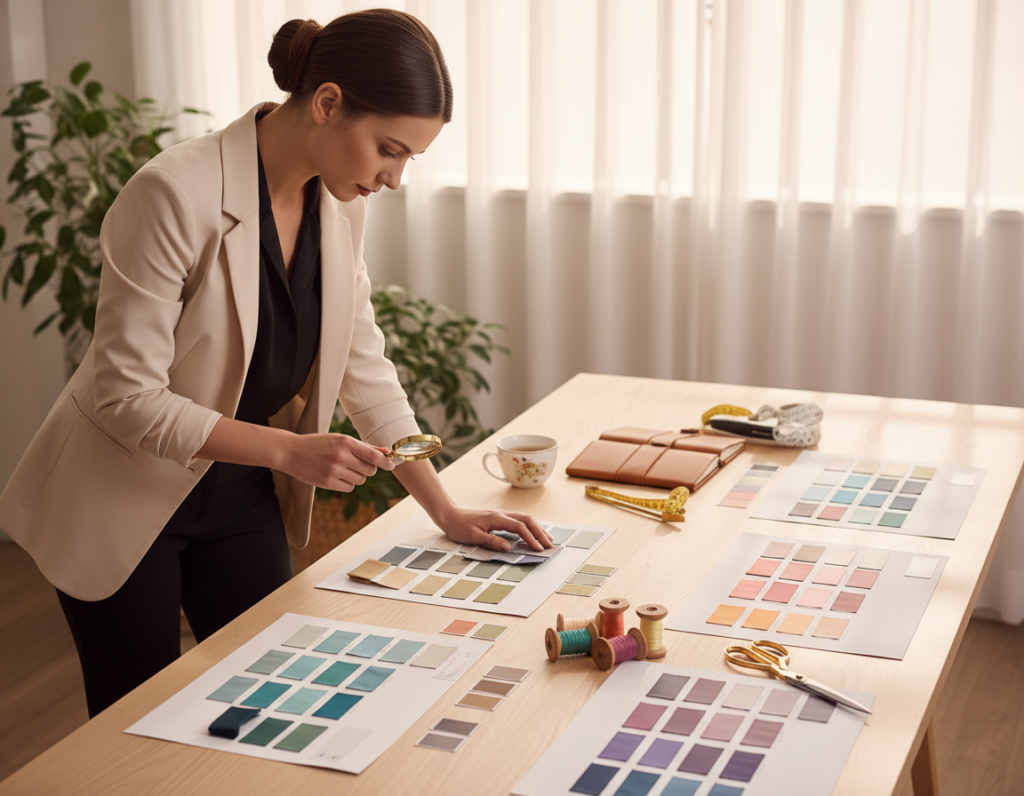
Choose a focused set of colors so pieces work together without daily guessing. A simple color palette helps more items coordinate automatically, which increases outfit variety with fewer pieces.
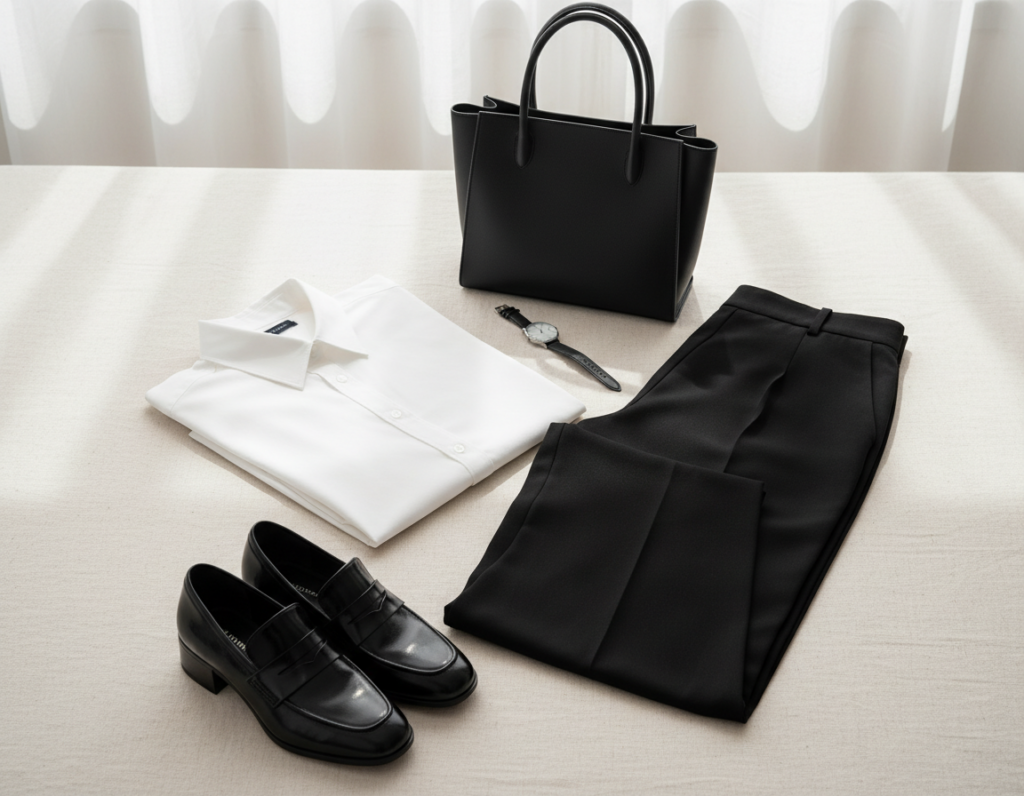
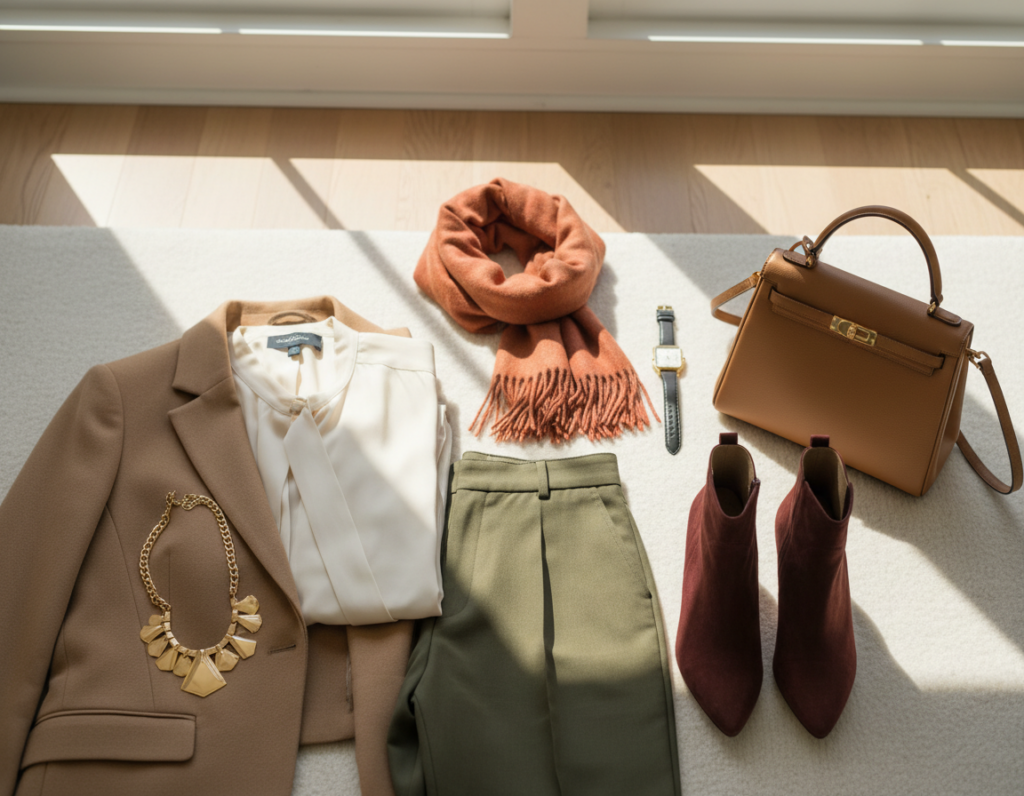
Choose 2–4 neutral core colors that match daily life and care needs. Good choices include black, navy, gray, camel, cream, and taupe. Neutrals are easier to clean and pair, so they form the backbone of a capsule wardrobe.
Add one or two accents with restraint
Pick accents already present in their current closet. A single blue or burgundy piece can add personality without breaking cohesion. This keeps mix-and-match simple and reliable.
Stop loud mismatches that create friction
When colors fight, people abandon outfit ideas. Keep patterned items anchored in the core neutrals so prints stay mixable rather than one-off statements. Test by laying pieces on the bed: if most tops pair with most bottoms without thought, the palette works.
| Step | Action | Result |
|---|---|---|
| Pick neutrals | Choose 2–4 core colors (black, navy, gray, camel, cream) | More automatic outfit combinations |
| Add accents | Limit to 1–2 worn colors (e.g., blue, green) | Personality without mismatches |
| Test pieces | Lay items out and pair tops with bottoms | Quick check for true mix-and-match ease |
“A grounded palette reduces daily decisions and makes getting dressed less stressful.”
Note: Color rules are flexible. The aim is cohesion and ease, not removing all color from personal style.
Choosing Capsule Pieces That Style Multiple Ways
Select items that solve real dressing problems, not just fill space. Use simple tests to confirm a piece earns long-term use.
Timeless, functional, versatile in everyday looks
Timeless means clean lines and neutral color that last beyond trends. A white tee that layers, straight-leg pants that dress up, or a blazer that pairs with denim are concrete examples.
Fit and comfort checks
Fit is non-negotiable. If it pinches, rides up, or needs constant adjusting, it won’t get regular wear.
Test mobility: sit, walk, bend, and reach. If it works for commuting or desk hours, it likely fits daily life.
Care and durability for a minimalist closet
Prefer fabrics that tolerate frequent washing and steaming. Look for strong seams, stable color, and medium-weight materials that resist quick wear.
- Versatility rule: one piece should work in at least two settings (work + weekend).
- Care standard: easy laundering keeps clothes in rotation.
“Keep pieces they want wear now, not items saved for a hypothetical future.”
Core Capsule Categories and Practical Piece Ranges
Start with the functional pieces that anchor most outfits and then set simple ranges to match laundry habits, climate, and work demands.
Bottoms that form the foundation
Range: 5–7 bottoms.
Include straight or wide-leg jeans, a dark wash denim pair, tailored pants, and 1–2 warm-weather shorts or skirts. Darker denim raises work-to-weekend versatility.
Tees, tanks, and high-rotation basics
Range: 5–7 tees/tanks.
Choose medium-weight cotton or cotton blends with consistent necklines and fit. These support layering and get heavy wear.
Tops, knits, dresses, outerwear, shoes, and accessories
Tops/blouses: 3–5 pieces — oxford shirts or washable silk-style blouses for polish without fuss.
Sweaters/knits: 3–5 — lightweight cardigans, midweight crews, plus a warmer knit for cold days.
Dresses: 2–3 only if they earn real wear; a simple dress can be a one-and-done outfit builder.
Outerwear: 3–5 layers — include a trench for transitions and a longline wool coat for colder months, plus a casual jacket if needed.
Shoes: 4–5 (exclude exercise sneakers) — sneakers for long walks, boots or loafers for work, and sandals for warm seasons.
Accessories: 4–6 — belts, a tote, a crossbody, and simple jewelry to change looks without clutter.
| Category | Typical Range | Key examples | Why it matters |
|---|---|---|---|
| Bottoms | 5–7 | Jeans, tailored pants, shorts | Anchor many outfits and set silhouettes |
| Tees/Tanks | 5–7 | Cotton tees, fitted tanks | High rotation basics that layer well |
| Sweaters/Knits | 3–5 | Cardigan, crew, warm knit | Adapt to temperature shifts |
| Shoes & Accessories | Shoes 4–5, Accessories 4–6 | Sneakers, boots, tote, belt | Finish looks and extend outfit variety |
Capsule Wardrobe Styling Methods for Effortless Outfits
Begin each outfit around a single go-to piece to stretch wear and reduce decision time. This simple start makes it easy to create many looks from a small collection.
Start with one hero piece
Choose a hero item — a blazer, jeans, skirt, or knit — and build looks around it. Rotate tops, layers, and accessories to get new results without new shopping.
Balance proportions to look put together
Pair wide-leg bottoms with a slimmer top. Match an oversized button-down with a fitted pant. Clean lines on one half of the body keep the outfit tidy and intentional.
Use the rule of thirds
Adjust visual breaks with half-tucks, cropped layers, or longer coats. These splits make outfits read as deliberate and help pieces mix match more easily.
Layering and quick swaps
Tee + cardigan for casual days, tee + blazer for work, or knit draped over shoulders for a polished weekend vibe. Swap a belt, bag, or jewelry to refresh repeated looks.
Shoe and accessory levers
Switch shoes to change dress code fast: sneakers for casual, boots for structure, loafers or low heels to sharpen the look. Small accessories offer big variety with little effort.
| Move | What to change | Effect | When to use |
|---|---|---|---|
| Hero focus | Start with one piece | Maximizes wear value | Daily outfit planning |
| Proportion | Adjust top or bottom fit | Looks more put together | Work or meetings |
| Thirds | Tuck, crop, or layer | Intentional silhouette | Polish casual looks |
| Finish | Shoes & accessories | Change vibe quickly | From day to night |
Repeatable way: these approaches make a small collection feel larger while keeping choices coherent and useful.
Create Go-To Outfit Formulas They Can Repeat All Season
A short roster of tested outfits saves time across the entire season and cuts decision fatigue.
Start by defining a simple formula: top + bottom + layer + shoe. This template turns random mixing into a repeatable system.
Build 7–10 everyday outfits first. Use pieces from the capsule and the active wardrobe. Once those feel easy, add a few alternates.
Casual, work, and going-out from the same clothes
Swap one item to change the tone. A blazer for a denim jacket moves a look from work to casual. Switching sneakers to boots makes it evening-ready.
Save outfit photos as a style library
Take quick photos and group them by work, weekend, and travel. A phone folder speeds up the moment they need to get dressed.
| Formula | Core pieces | Quick swap | When to use |
|---|---|---|---|
| Smart casual | Blouse + jeans + blazer + loafers | Blazer → denim jacket | Work or meetings |
| Weekend | Tee + straight-leg pants + cardigan + sneakers | Cardigan → leather jacket | Errands, coffee |
| Evening | Dress or skirt + top + coat + boots | Sneakers → boots | Going out |
Proven formulas make them look more put together because each combination is tested, not guessed.
Seasonal Capsules and Smart Rotation Over the Year
When the active closet matches the season, picking clothes becomes faster and simpler.
Build for the season they are in. Keep off-season pieces out of sight so raincoats and heavy knits do not crowd daily options. Fewer weather-inappropriate choices means faster decisions and fewer outfit swaps.
Rotate without restarting
Create an active zone in the closet for current items and store other pieces elsewhere. Swap categories as temperatures shift—move tees in, heavier knits out—rather than rebuilding the collection from scratch.
Carry core neutrals forward
Continuity matters: core neutrals stay in use year to year. Add seasonal fabrics and layers to refresh looks, but keep the base the same so the system evolves, not resets.
Outerwear priorities
For most U.S. climates, a trench coat is essential for spring and fall transitions. A longline wool coat gives winter polish and warmth. These outer pieces extend outfit utility across seasons.
“Plan by real temperatures and routines, then review what did not get worn and adjust slowly.”
Shopping for a Capsule Wardrobe Without the Cluttered Closet Cycle
Buying with intent turns each purchase into a solution, not clutter. A short plan — a true “wardrobe grocery list” — keeps shopping focused and prevents random pieces from breaking outfit cohesion.
The Cluttered Closet Cycle is simple: a packed closet, nothing feels right, impulse shopping follows, and clutter grows again. Breaking that loop starts with purpose.
Shopping with a plan like a “wardrobe grocery list”
They should write a small list of proven needs before any shopping trip. That list keeps purchases compatible with existing neutrals and limited accents.
How to spot gaps after wearing the capsule for a few weeks
After several weeks of wear, track outfit friction: missing layers, wrong shoes, or no work-appropriate pants. Buy only to fill those proven gaps, not imagined wants.
When trendy items can fit, and how to keep them minimal
Trendy fashion can enter as one controlled piece that matches the core palette. Keep new items to a minimum and follow a one-in/one-out rule or a quarterly closet review to protect the system.
“One focused purchase beats five random buys that never get worn.”
How to Maintain a Capsule Wardrobe Long-Term
Long-term success comes from steady, small updates rather than big overhauls. Maintaining a build capsule wardrobe is an ongoing habit, not a one-time task. A clear plan keeps choices simple and useful.
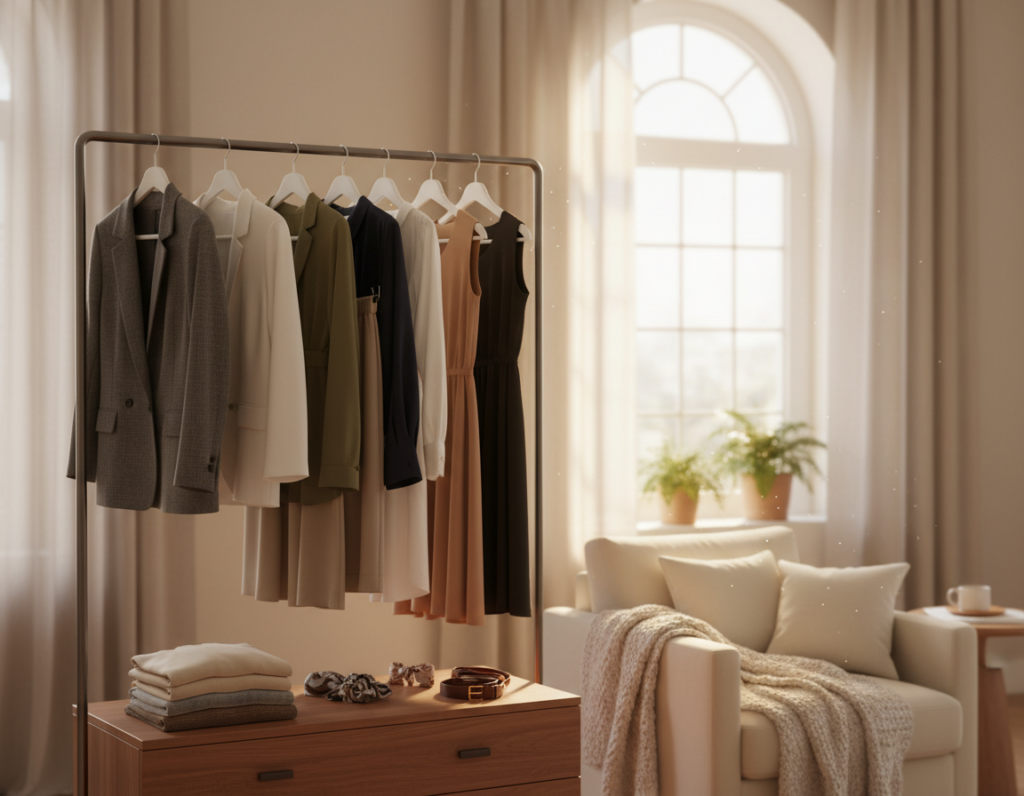
Set a dedicated zone in the closet for the active collection so the daily routine stays consistent. Move less-used items out of sight to reduce decision fatigue and keep the core visible.
Use wear-frequency feedback
Live with the set for a few weeks and note what they reach for most. Track which pieces sit untouched.
If they’ve got an item that never gets worn, treat that as useful feedback about fit, color, or comfort.
Refine gently and regularly
Make small swaps rather than dramatic purges. When building capsule systems around proven wear, the collection becomes more personal and functional over time.
Responsible exits for old clothes
Donate wearable items, sell higher-value pieces, and recycle textiles that are worn out. This closes the loop responsibly and keeps the closet honest.
“A maintained capsule reduces daily stress and supports consistent style on an average day.”
Conclusion
The real win is a system that turns a few well-chosen items into dozens of outfit options.
A capsule wardrobe is a practical way to get more variety from fewer clothes. It focuses on coordination, fit, and repeatable outfits that work day to day.
Start with what they already wear and edit the closet. Then define a cohesive color plan, pick versatile pieces, and photograph outfit formulas for quick reference. Frameworks like 333, the rule of 5, or a 10-item plan are useful tools, not strict rules.
One small next step: choose one hero piece — jeans or tailored pants — and build three outfits. Note which shoes and accessories pair best with each look.
Refine season by season. Over time the system saves time, reduces shopping, and keeps personal style clear without a full restart.