Anúncios
Can one wardrobe truly handle a week that feels like July and then October? I ask this because the US forecast swings make dressing a daily puzzle.
This post is my practical guide for building repeatable looks that work across sudden temperature shifts. I define transitional season dressing as late summer into early fall and early spring with lingering chill. That framing mirrors Vogue’s “in-between weather” idea and the fall-approaching-now mindset many readers know.
My promise: I share a simple framework—essentials, a weather-first layering system, and outfit formulas I actually wear—so you can recreate a polished but flexible wardrobe without buying everything new.
Quick roadmap: I’ll cover wardrobe essentials, a forecast-check system, lightweight outerwear, breathable base layers, hemline balancing, and accessories as micro-layers. I rely on tested pieces like trench coats, barn jackets, button-ups, tanks, and jeans, and I explain what I avoid and why.
Why transitional season dressing feels tricky in the US
Days swing wildly between crisp mornings and blazing afternoons, and that split makes dressing a daily puzzle. In much of the United States, a single day can include a 30°F swing, strong AC indoors, and sudden gusts on the commute.
Anúncios
Common failure modes are familiar: freezing at breakfast, overheating at lunch, and feeling mismatched by evening. Those moments eat time and confidence in the morning.
I evaluate weather by three simple variables: my commute, how long I’ll be outside, and whether I can stash a layer. That practical checklist shapes every outfit choice I make.
What I optimize for: breathable fabrics for comfort, layers that separate cleanly for versatility, and structured pieces for a polished look. This is the fine art of shifting from summer into fall without changing your whole closet.
Anúncios
- I adopt thin knits and lightweight jackets early, so looks read fall while still feeling summer-friendly.
- Accessories act as micro-adjustments—scarves, a bag with room for a layer, and shoes that bridge seasons.
- For a broader take on post-pandemic in-between dressing, see this short piece: post-COVID transitional notes.
In short: the problem is predictable and solvable. I’ll show the system I use next: check the range, layer with intent, and rely on a few dependable formulas that work all day.
My foundation: the transitional wardrobe essentials I rely on
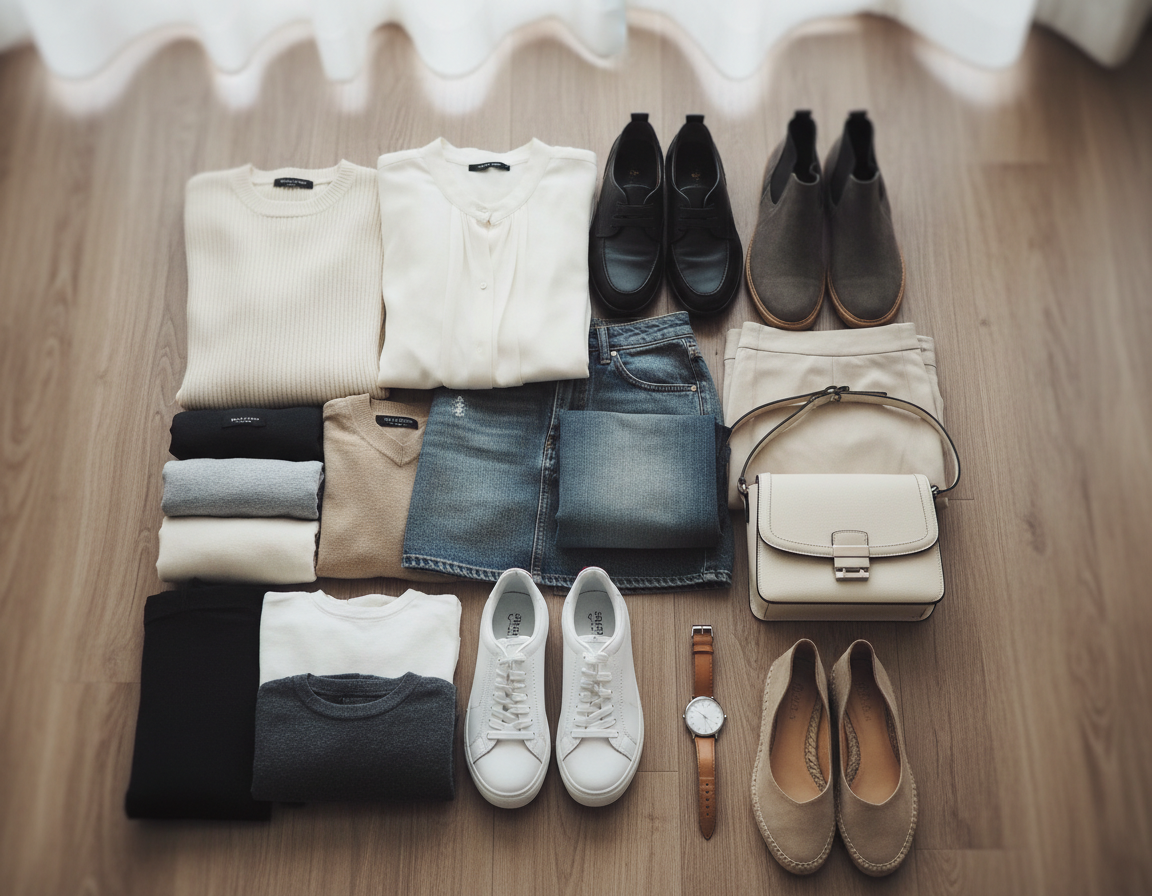
My wardrobe focuses on a few purposeful pieces that carry me across warm afternoons and chilly mornings. I treat this capsule as a single closet that layers, not as two separate seasons. Each item must earn its place by mixing with the rest.
Lightweight outerwear that works overtime
Trench or a light coat gives polish and blocks wind. A chore or barn jacket adds structure without bulk. A bomber or canvas jacket brings casual ease for weekend walks.
Core base layers
A crisp button-up shirt adds instant polish for meetings or coffee runs. Simple tees and a tank handle heat spikes. Tissue-thin knits offer that early fall feel without bulk.
Bottoms that anchor looks
I rely on jeans and wide-leg pants for weight and balance. Flare trousers lift a soft top and a skirt pairs well with a cropped jacket. Lightweight denim and cotton fabrics breathe when layered.
One-and-done pieces
All-in-one dresses are the quickest morning fix. I change shoes and add a jacket to move a dress from summer into fall. A day dress stays useful when I treat outerwear as the finishing move.
Shoes that bridge seasons
Sandals and flip-flops live in my warm days, while loafers and mules add early fall polish. Sneakers handle long walks and ballet flats tidy a refined look. A leather belt or bag anchors lighter combinations.
- Why each item matters: outer layers manage wind, base layers control temperature, and grounded bottoms keep proportions right.
- Think texture pairings—suede with raffia, knit with pleats—for interest without extra pieces.
How to style transitional outfits with a simple weather-first system
I run a five-minute check each morning that turns an unpredictable forecast into a clear dressing decision. I look at the temperature range, wind, and where I’ll spend most of the day.
My quick forecast check
I note the low and high rather than the single high. The range matters because mornings can be cool and afternoons hot.
I add wind and indoor time; wind raises chill and long outdoor periods push me toward breathable pieces.
The layering formula I rely on
Breathable base + mid layer + removable jacket. A tank or tee works if the high reaches the mid 70s; a thin shirt or knit fits cooler days.
I pick a jacket or light coat that folds easily. That way I can carry it when temperatures climb.
Hemdress, skirts, and shorts coverage
When I wear shorts or a skirt I balance volume with structure. A cropped jacket raises perceived height and keeps proportions in check.
For a sheer dress I add a mid layer or closed-toe shoe—sandals only when the forecast really leans summer.
Accessories as micro-layers and quick fixes
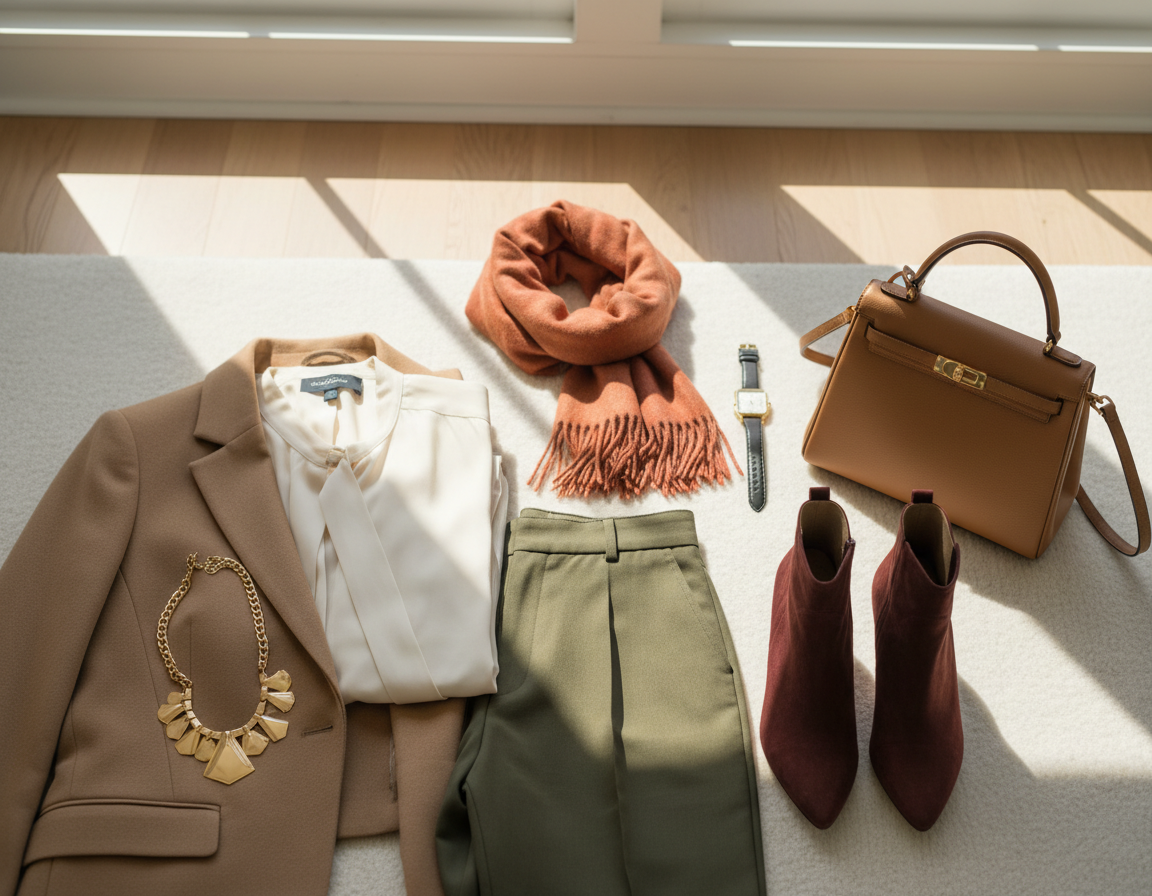
A lightweight scarf gives neck warmth without bulk. Sunglasses handle bright fall sun and a structured bag keeps a simple look polished.
What I avoid and a packing tip
I skip heavy knits and non-breathable synthetics that trap heat. I also avoid looks that can’t be peeled apart as the day changes.
Practical tip: choose a jacket that folds over your arm or slips into a tote so you’re prepared for any hour.
Outfit formulas I actually wear for spring and fall transitions
I keep a short list of plug-and-play formulas that solve morning uncertainty fast.
Here are clear equations—base, layer, finishing details—so each look reads intentional and is easy to repeat.
Tailoring + sandals
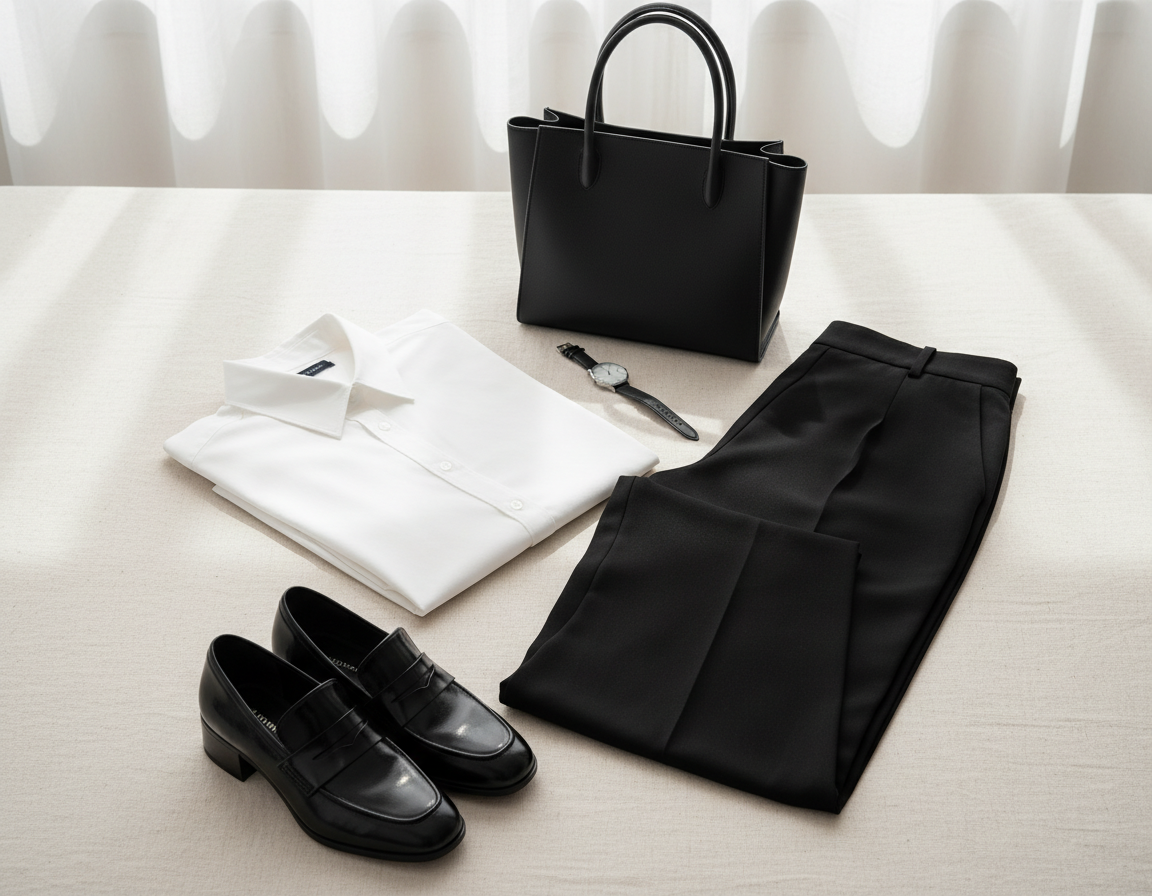
Base: clean blazer and tailored trousers. Layer: minimal tank or thin tee. Finish: neat sandals and a slim bag.
Tee + jeans + canvas coat
Base: white tee and mid-rise jeans. Layer: bright white canvas coat for contrast. Finish: structured sunglasses and a leather belt.
Barn jacket + floaty white skirt or sheer dress
Base: airy skirt or a sheer dress. Layer: barn jacket for structure. Finish: low boots or sneakers and simple jewelry.
Button-up variations
Tuck a button-up into wide-leg trousers, pair with flare jeans, or offset a statement skirt. Roll sleeves and use a partial tuck for balance.
Leather blazer + lace-trim shorts
Base: lightweight sweater and lace-trim shorts. Layer: cropped leather blazer for edge. Finish: polished loafers or high-shine shoes.
Tank + trousers + bright bomber
Base: clean tank and tailored trousers. Layer: a red bomber for a pop. Finish: high-shine leather shoes and a compact bag.
Monochrome with texture
Pick one color family and mix knit, pleats, and smooth leather. Vary silhouettes and add a small pendant for dimension.
“Clean lines make casual sandals read purposeful.”
Texture, fabric, and color strategies that make transitional outfits look intentional
Texture and fabric choices quietly determine whether an outfit survives a sunlit noon or a blustery dusk. I use a clear hierarchy: breathable bases with structured toppers. That balance manages comfort and keeps a look purposeful.
My fabric rule of thumb
I favor cotton and lightweight knits for bases because they breathe and dry fast. Thin denim works when I need a bit more weight without trapping heat.
Leather and suede act as structured toppers. A cropped jacket or suede trim blocks wind and adds visual height at the shoulder.
Texture pairings I repeat
- Suede + raffia — warm, layered fall interest without bulk.
- Crochet + crisp outerwear — a casual knit reads polished when offset by a neat coat.
- Knits + pleats — soft drape with clean lines keeps proportions light and elevated.
Color cues and practical guidance
For fall I lean into earth tones and black-and-white classics. In late summer fall I keep lighter neutrals and add small pops of red for energy.
Choose a tight palette so pieces mix more often. Pick a lighter fabric for a skirt or dress when the high is warm, then add a structured jacket for cool mornings.
Conclusion
Wrapping up, the goal is one small system that handles wide weather swings with very little fuss.
I recap the method: start with essentials, run a quick forecast check, layer with intent, and mind hemline balance. Then rely on a few go‑to formulas for repeatable results.
What I promise: you can look polished and feel comfortable through spring and fall by using breathable bases and removable layers. Do less, but do it smarter—one capsule creates many looks and saves morning time.
Try this now: pick two base layers, one lightweight jacket, one structured shoe, and build one formula you wear this week. Read a practical summer-to-fall transition post for ideas.
— I’m the author, and I’ll be testing these combinations again as the fall weather shifts.